
The House You Don’t See (Until It Shapes Everything)
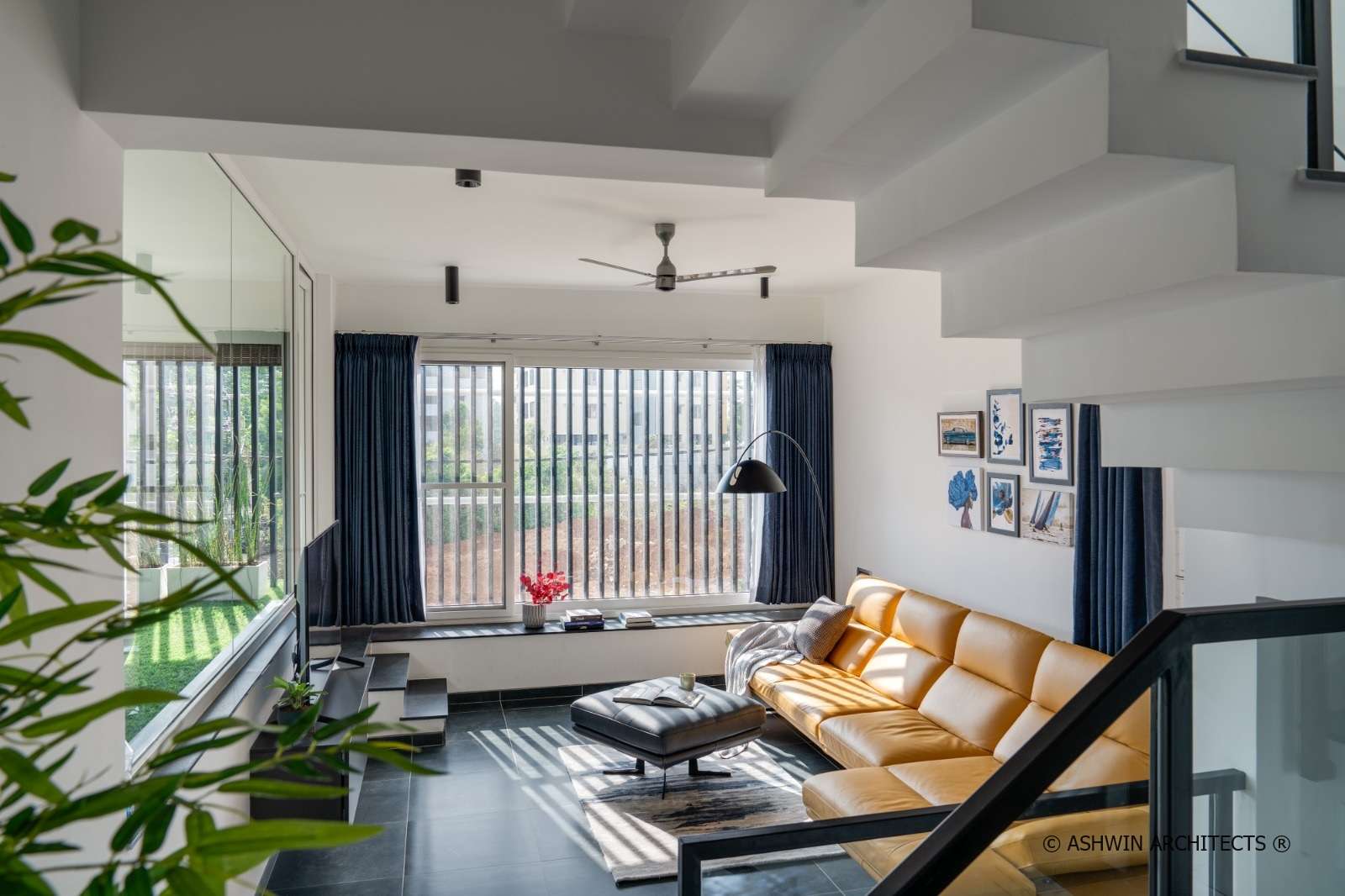
Why Most Homes Are Built Twice—And No One Plans for It
A search for architects near me turns into a set of drawings—perhaps a 60 40 house plan 3d pdf you’ve been reviewing, or a version shared by a consultant. The proportions feel right, the staircase aligns, and someone probably from your family has already started imagining where the dining table might go. At some point, without a formal decision, it becomes the house and yet, nothing has been built.
What follows is not a breakdown of planning, but something far more common. A second structure begins to take shape—not on paper, but on site where it emerges through adjustments, constraints, and decisions made under pressure. A column shifts, a pipe reroutes, a window moves because the adjacent plot no longer behaves the way it did when the drawing was made. This second house is rarely acknowledged by you or your family, but it is the one that determines whether the first one survives intact.
How a “Complete” Plan Still Leaves Critical Gaps
In a city like Bangalore, a 40×60 house plan is never just a drawing, it exists within a field of changing conditions—neighbors who may build higher, streets that evolve, and regulations that intervene at specific stages. Where a 60 x 40 house plans layout can feel resolved because it aligns rooms, circulation, and proportion, or a 30×50 south facing house plans as per vastu may satisfy directional expectations. But visual coherence is not the same as technical resolution and what you are often missing at this stage is how the building will behave: how structure meets space, how services move through slabs, how light enters once surrounding buildings change.
These are not secondary questions, they are simply deferred, and what is deferred has a way of returning—usually when it is more expensive to correct.
Why This Problem Intensifies in Bengaluru or Other Regions
In Bangalore, the site itself is unstable—not physically, but contextually— wherein a vacant plot in Whitefield can become a multi-storey building within months. In Sarjapur, soil conditions can shift within short distances, and in established neighbourhoods like Jayanagar or Indiranagar, new construction often disrupts assumptions about light, privacy, and airflow.
Even commonly used formats like 40×60 house plans or 60 x 40 house plans tend to maximise built area, leaving little tolerance for change. The consequence is not immediate failure, but a gradual divergence from the original intent.
The Three Assumptions That Quietly Reshape a House
Most homeowners do not make obvious mistakes, the issues begin with reasonable assumptions. By this stage, most people begin to see the gap—the drawing they trusted was never the house they were going to build. Like the first is that a drawing is complete because it looks complete. Plans communicate adjacency and proportion, but they rarely reveal to you the friction between systems. Where does the rainwater go, or how do electrical and plumbing lines move through a slab already cast? What happens when a neighboring wall blocks the light a window was designed to receive?
The second is that execution can resolve design, and contractors are highly skilled at building efficiently, but undefined decisions don’t disappear—they shift into site-level choices. And site-level choices, by nature, prioritize immediacy over long-term coherence.
The third is that compliance ensures performance. For example, many 30×50 south facing house plans as per vastu align with directional principles but spatial comfort depends equally on ventilation, light, and proportion. Without those, compliance can coexist with discomfort.
When the Homeowner Becomes the Coordinator
There is a moment in most projects when the role shifts without announcement, and you begin coordinating between trades. You approve changes because work cannot stop, and thus decisions arrive faster than clarity. At that point, the project has already changed, and you are no longer just building a house, you are managing a system that was never fully resolved.
What People Actually Mean When They Search “Architects Near Me”
Searches like architects near me, or near Bengaluru, or architects in salem often begin with a straightforward expectation—someone to design, to draw, to make the house visible. But the deeper requirement is rarely articulated for a well-resolved project does not eliminate complexity. It relocates it—to a stage where it can be addressed without consequence. Structure, services, climate response, and spatial logic are aligned before construction begins, not negotiated during it. And this is not about making architecture more elaborate, it is about making it more predictable.
How Climate Quietly Determines Everything
In a tropical environment, architecture is inseparable from climate, not as a concept but as a daily experience. A window is not just an opening—it regulates heat, glare, and airflow. The depth of a wall determines how light enters and diffuses, and a courtyard is not an aesthetic decision; it is a device that moderates temperature and moves air through the house. Like in many 40×60 house plans, these relationships are implied but not fully resolved. The plan shows where spaces exist, but not always how they perform over time. That distinction becomes visible only after occupation—when comfort depends less on intention and more on behavior.
A Practical Way to Evaluate Any House Plan Before Construction
Before finalizing a plan—whether it’s a custom design or a 60 40 house plan 3d pdf or any other—it helps to pause and read it differently. Not as a finished idea, but as a set of commitments, like asking yourself:
- What changes if the neighbouring plot builds higher next year?
- Are structural and service systems coordinated before execution?
- Which decisions are still described as “to be resolved on site”?
- Can the house remain comfortable without relying entirely on air conditioning?
These questions don’t complicate the project, they reveal whether the second house has already begun to form.




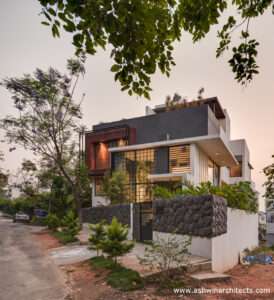
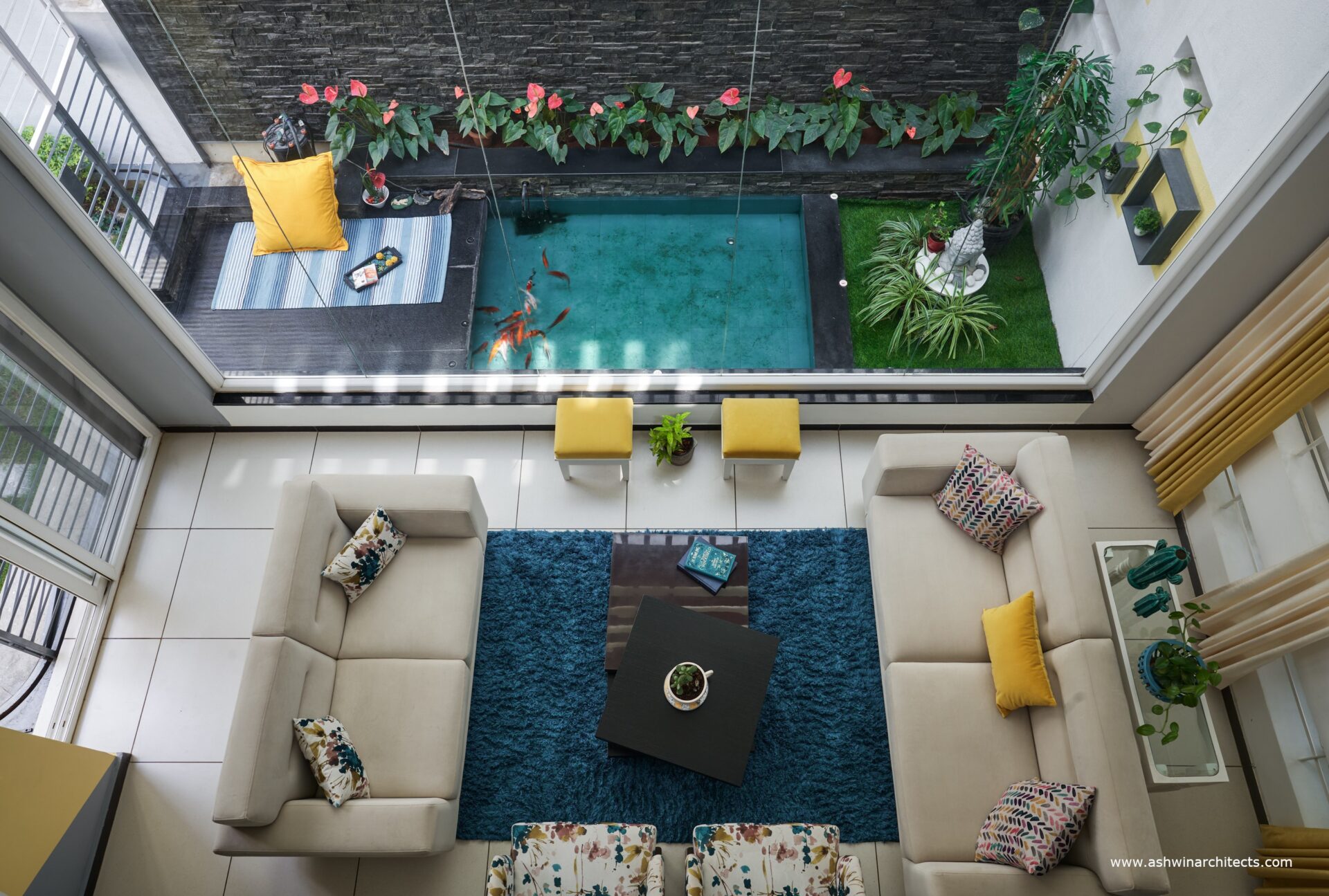
Why Standard House Plans Work—and Where They Don’t
The appeal of ready-made plans is understandable, as a library of 60 x 40 house plans or 30×50 south facing house plans as per vastu offers clarity at a stage where decisions can feel overwhelming. They work well as references, but architecture resists full standardization because it is always in conversation with context. A plan that performs well on one site may underperform on another—simply because orientation, surroundings, and patterns of use are different. The limitation is not in the plan itself, it is in assuming that the plan is complete.
What Typically Causes Cost Escalation in Residential Projects
One of the more consistent patterns across residential construction in India is cost increase after work begins. Industry observations, including those from Royal Institution of Chartered Surveyors, suggest that design decisions deferred to the construction stage are among the primary causes. This does not manifest as a single large error but appears as a series of small adjustments—each necessary, each reasonable—that accumulate over time.
When Simplicity Is Enough
Not every project requires a deeply integrated architectural process. Smaller homes, limited budgets, or straightforward additions can function effectively with a simpler approach—provided the scope of uncertainty is understood. The distinction lies in consequence, and if the cost of deviation is low, flexibility works. If the consequences are higher, clarity becomes more valuable than speed.
Beyond Rankings and Search Terms
Phrases like best architects in Bangalore or best architects in Bangalore for residential houses appear frequently in search. They suggest that architecture can be evaluated through comparison. However in practice, the difference is quieter, it lies in whether the house that gets built remains consistent with the one that was intended—whether it holds its logic when confronted with site conditions, climate, and time.
Frequently Asked Questions Before Building a House
Choosing the Right Architects Near You
A house is easy to recognize when it is complete, its form is visible, its materials are tangible, and its spaces can be experienced. What is harder to see is everything that allowed it to remain coherent while it was being built. The question is not whether complexity exists, it always does. The question is whether that complexity is addressed when it is still manageable—or allowed to surface later, when it begins to reshape the house itself.